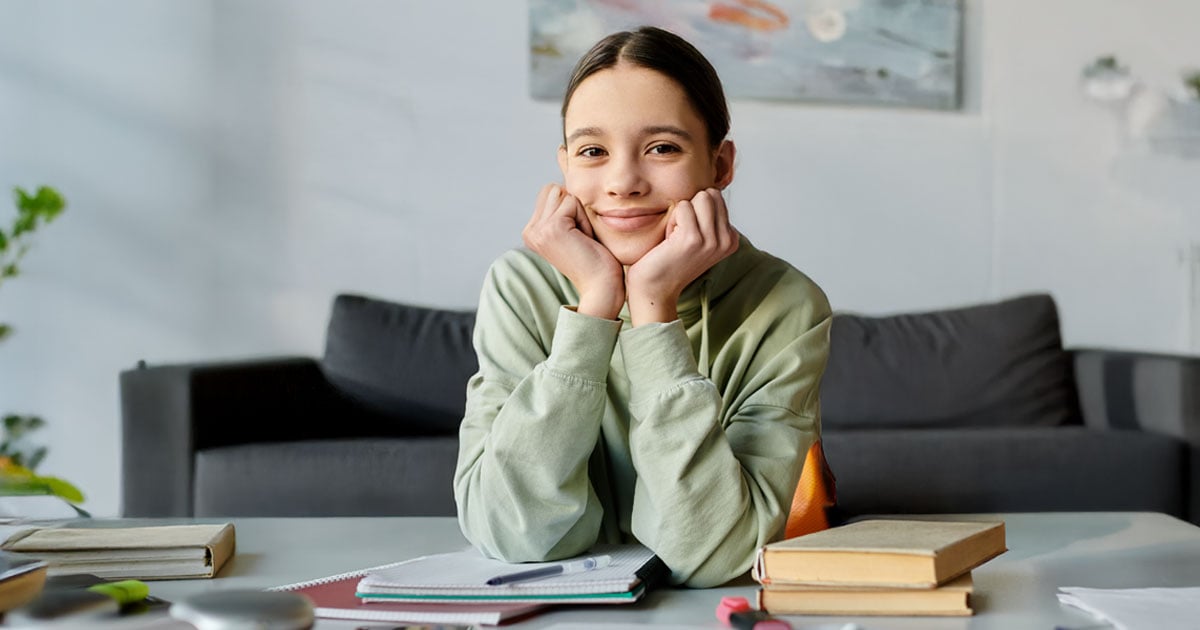
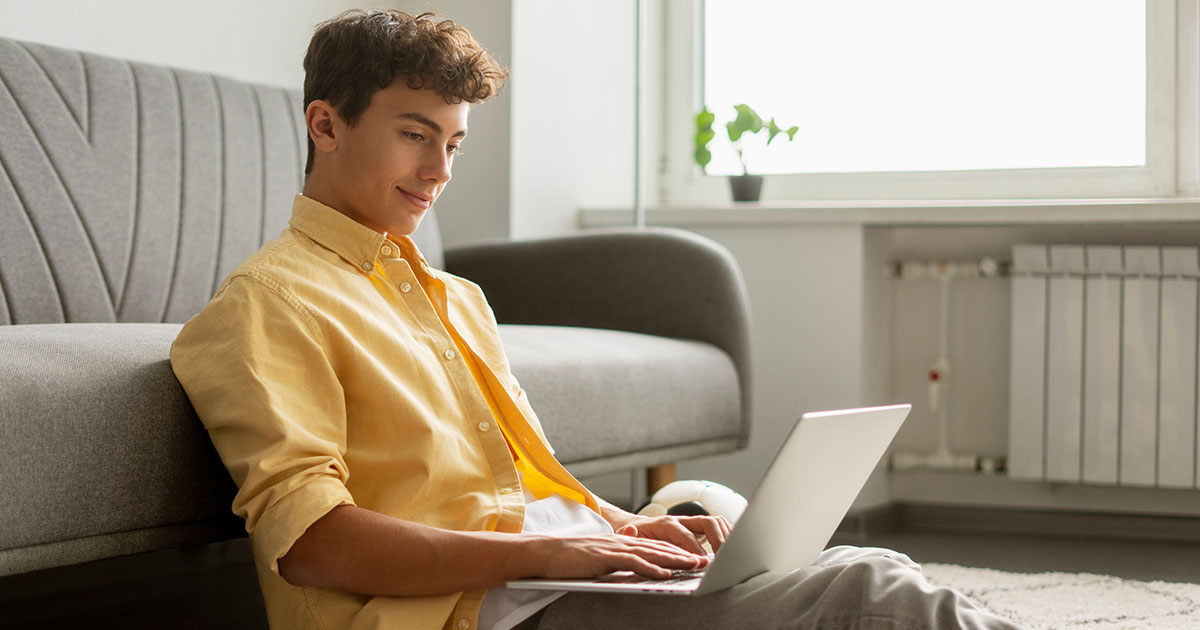
What parents considering homeschool, online school, or any alternative path really want to know.
Whether you're rethinking a traditional brick-and-mortar classroom or looking for a better way for your student to learn at home, a few questions tend to come up:
- Will my student know how to connect with others?
- Will they make real friends?
- Will they know how to hold a conversation, walk into a room, and find their place among people they didn't grow up with?
These are fair questions. Traditional schools are social by design—most of us can still picture the hallway gatherings, the favorite lunch table, and the friend groups that formed and shifted over the years. So when you picture your student learning from home, it's natural to wonder what replaces that.
The answer starts with understanding what socialization actually is, and where it really comes from.
Socialization Isn't a Place—It's a Set of Skills
In a traditional school, most friendships are driven by proximity. Your student is friends with whoever happens to be in their class, their grade, or their neighborhood. But socialization was never a single experience that only happens inside one building. It's a set of skills your student builds over time, across many different relationships and environments.
Students who learn from home build that social life deliberately. Freed from a rigid school schedule, they have more hours in the day to pursue the activities, interests, and relationships that matter to them.
Research from the National Home Education Research Institute (NHERI) confirms that students who learn at home are regularly engaged in social and educational activities beyond it, such as field trips, scouting, 4-H, sports teams, religious gatherings, and volunteer work, along with dual-enrollment courses, part-time jobs, and community programs that connect them to the wider world.
And it pays off in measurable ways: NHERI reports that 64% of peer-reviewed studies on students' social, emotional, and psychological development found home-educated students performing significantly better than their conventionally schooled peers. A landmark study from researchers at the University of Oklahoma and the University of Arkansas followed homeschooled students into adulthood and found them well-connected, civically engaged, and showing no meaningful differences from their peers in college, careers, or relationships.
Here's What Most "Socialization" Conversations Miss
If you've already homeschooled, you know the truth behind everything above: a rich social life is absolutely possible at home. You also know the catch. Building it is entirely up to you. The co-ops, the field trips, the sports teams, the friendships—every piece is yours to find, organize, and hold together. That works beautifully for some families. For others, it becomes a second full-time job, and when life gets busy, the social calendar is the first thing to slip.
This is where a home-based online school is different from homeschooling, and, for many families, better.
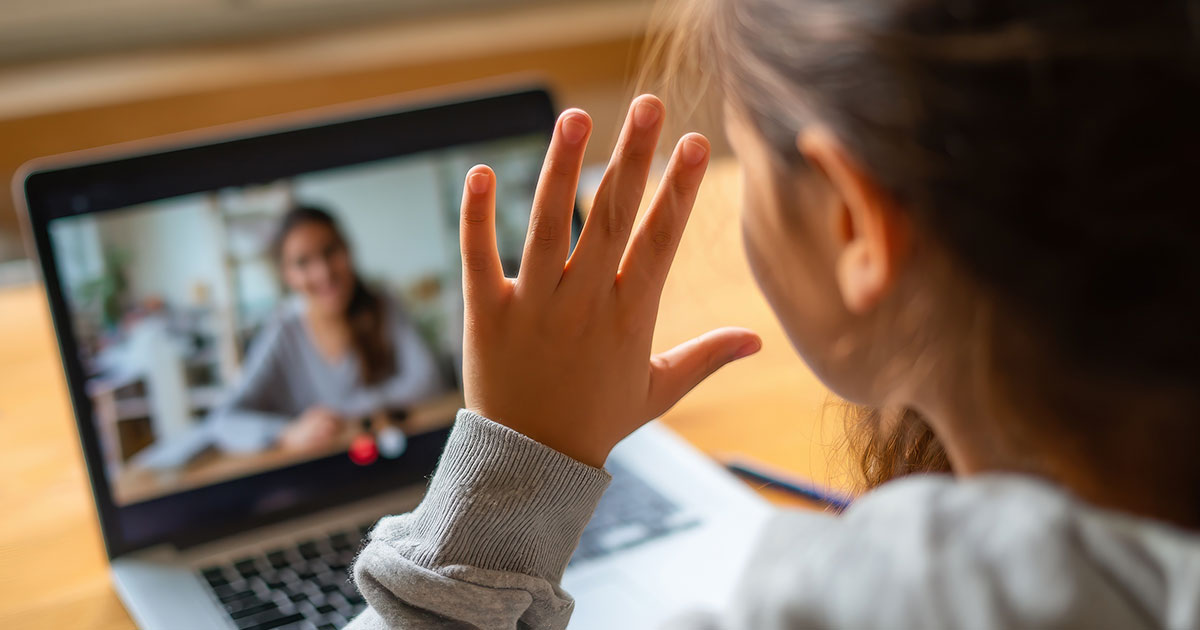
An online school—like those within Williamsburg’s Family of Schools—gives your student the same freedom and flexibility that makes learning from home so appealing in the first place. But it doesn't hand you an empty calendar and wish you luck. The community is built in: a real cohort of classmates your student sees and works alongside regularly, mentors who know them by name, clubs and activities organized for them, in-person Adventures courses and events, and leadership opportunities woven right into the program.
In other words, your student gets the intentional, interest-driven community that homeschooling promises, without you having to construct the entire social infrastructure from scratch.
At Williamsburg Family of Schools, that could come as a tuition-free, flexible alternative to homeschooling: the independence of learning at home, paired with the structure, peers, and mentorship of a real school.
Students Build Skills That Last
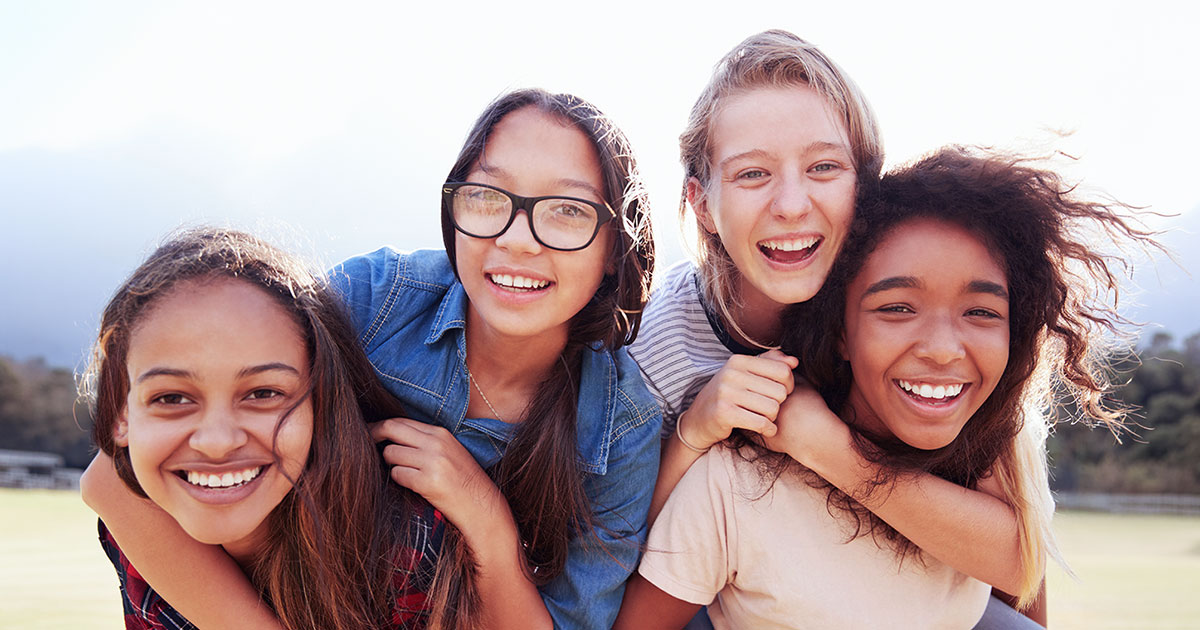
Most students in a traditional school spend nine months in the same room with the same thirty kids. Students in an online program move through different communities entirely—classmates from across the map, mentors, clubs, dual-enrollment courses, community programs, and part-time jobs. That difference builds a kind of social confidence that's genuinely hard to teach. They learn to walk into an unfamiliar room, introduce themselves, and build trust with someone new. They learn to ask good questions, listen well, and find common ground across differences.
These aren't soft skills. They're the foundation of every meaningful professional and personal relationship your student will ever have. And because they practice them across different environments and age groups, they tend to develop them earlier and more naturally.
Research backs this up. A peer-reviewed study published in the Peabody Journal of Education found that home-educated students demonstrated stronger relationships with adults, a greater sense of social responsibility, and higher-quality friendships than their conventionally schooled peers. A more recent study in the Journal of School Choice found no evidence of lasting social isolation as a result of learning from home.
Chosen Friendships Can Be Deeper Friendships
One of the most meaningful shifts for students who learn from home is that they often learn to choose their community. Rather than defaulting to proximity, they build relationships around shared interests, values, and goals.
That's amplified in an online school, where your student's cohort gathers around a shared way of learning and a shared set of values, not a shared zip code. When a friendship starts from something real, the foundation is different from the start. Many families find these intentional connections run deeper and last longer than the ones formed simply by showing up in the same building every day.
There's also something worth noting about what learning from home removes. Without the peer pressure, social hierarchies, and constant comparison that define so much of the traditional school experience, students have more room to develop genuine confidence and form authentic relationships.
So, Will Your Student Have a Social Life if They Switch to Online Learning?
Yes, and it may be more intentional and more supported than you expect.
It won't look exactly like a traditional school, and at first it may take some adjustment. But that's not a weakness of learning from home. It's often where some of the most formative growth happens.
The students who learn to build a social life rather than simply inherit one develop the confidence to walk into any room, connect with any person, and find their place in any community they encounter. And in an online school, they don't have to build it alone. Families who make the switch often discover something they didn't expect: their student doesn't just end up with a social life—they end up knowing how to build one, with a whole community helping them do it. That's a skill that will carry them through every season of life that follows.
Curious what that community looks like day to day? Explore how our schools combine the flexibility of home with the connection of a traditional school.


 K. Crosby : Aug 7, 2026